Rusty Typewriter: A Font with Character
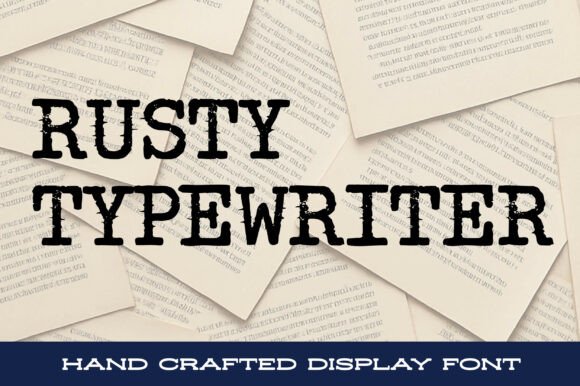
Rusty Typewriter isn’t just another font—it’s a visual story. This vintage-inspired sans serif typeface brings the rough, worn texture of an old typewriter to life, capturing the essence of a machine that has seen better days. Each letter feels like it was struck by a finger on a dusty keyboard, leaving behind subtle imperfections that tell a tale of time and use.
What Makes Rusty Typewriter Stand Out?
Rusty Typewriter is designed to feel authentic, almost like it was pulled from a forgotten manuscript or a decades-old detective report. Its uneven ink impressions, misaligned characters, and slightly off-kilter edges give it a unique personality that sets it apart from clean, modern fonts. It’s not about perfection—it’s about character.
The font’s gritty aesthetic makes it ideal for projects that need a touch of nostalgia or mystery. Whether you're crafting a logo for a small business, designing a poster for a music event, or creating content for a blog, Rusty Typewriter adds depth and emotion to every word.
A Typeface for Nostalgia and Storytelling
There’s something undeniably appealing about fonts that feel handmade. Rusty Typewriter embraces that raw quality, making it perfect for creative projects that aim to evoke a sense of history or authenticity. It’s especially effective in editorial design, where the goal is to engage readers with a strong visual identity.
When used in branding, this font can help establish a brand’s voice—whether it’s edgy, mysterious, or retro. For example, a boutique coffee shop might use Rusty Typewriter in its signage to create a warm, inviting atmosphere that feels personal and genuine.
Where Does Rusty Typewriter Shine?
Rusty Typewriter works best in contexts where a bit of grit and charm is needed. Here are some common applications:
- Branding: Ideal for logos, packaging, and marketing materials that want to convey authenticity and craftsmanship.
- Marketing: Great for social media graphics, email headers, and promotional banners that stand out visually.
- Publishing: Perfect for book covers, magazine layouts, and zines that have a vintage or indie feel.
- Digital Design: Works well in web design, especially for websites with a retro or alternative aesthetic.
- Print Media: Adds texture to posters, flyers, and brochures that benefit from a tactile, handcrafted look.
- Personal Projects: Suitable for scrapbooks, DIY crafts, and creative experiments that celebrate imperfection.
Enhancing Visual Hierarchy and Brand Perception
Choosing the right font can significantly impact how your audience perceives your brand. Rusty Typewriter helps create a strong visual hierarchy by drawing attention to key elements through its bold, textured style. When used strategically, it can elevate the overall tone of a design, making it more memorable and emotionally resonant.
For instance, using Rusty Typewriter as a display font in headlines can make a statement while keeping body text in a cleaner, more readable sans serif or serif font. This contrast ensures readability without sacrificing style.
Practical Tips for Using Rusty Typewriter
If you're considering using Rusty Typewriter for your next project, here are some practical tips to help you get started:
- Assess Project Fit: Consider the mood and purpose of your design. Rusty Typewriter is best suited for projects that benefit from a nostalgic or rugged aesthetic.
- Test Font Pairings: Pair it with complementary fonts to balance its boldness. For example, pair it with a modern sans serif for a fresh contrast.
- Review Included Styles: Check if the font includes different weights, italics, or ligatures to expand its versatility.
- Consider Readability: While Rusty Typewriter is visually striking, ensure it remains legible in all contexts, especially at smaller sizes.
- Check Licensing: Make sure you have the appropriate commercial license for any public-facing or print projects.
Real-World Applications and Design Observations
Rusty Typewriter has been used effectively in a variety of real-world scenarios. One notable example is in the design of a local bookstore’s branding. The font helped create a welcoming, curated feel that aligned with the store’s mission of celebrating independent literature.
Another application is in the creation of vintage-style social media graphics. By using Rusty Typewriter in captions and headers, designers were able to craft content that felt both authentic and engaging, helping to build a stronger connection with their audience.
Conclusion
Rusty Typewriter is more than just a font—it's a design tool that brings personality and history into every project. Whether you're building a brand, creating content, or experimenting with typography, this font offers a unique way to add character and storytelling to your work. With its rich texture and authentic feel, it’s a valuable addition to any designer’s toolkit.