Black Face: A Bold Statement in Modern Typography
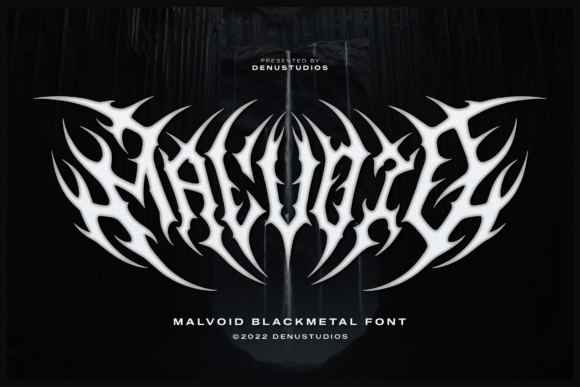
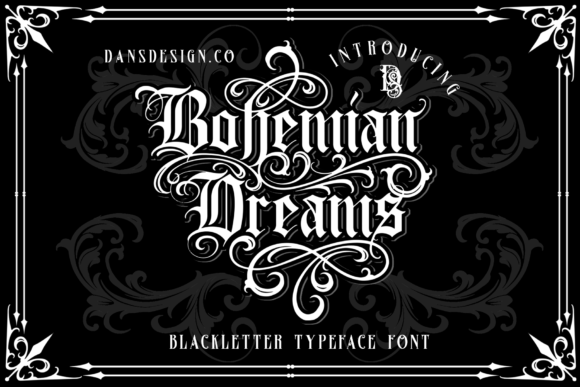
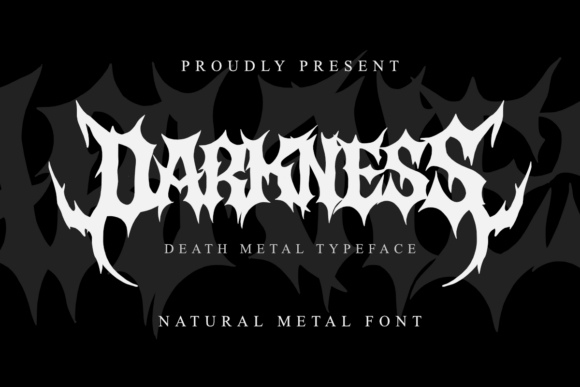
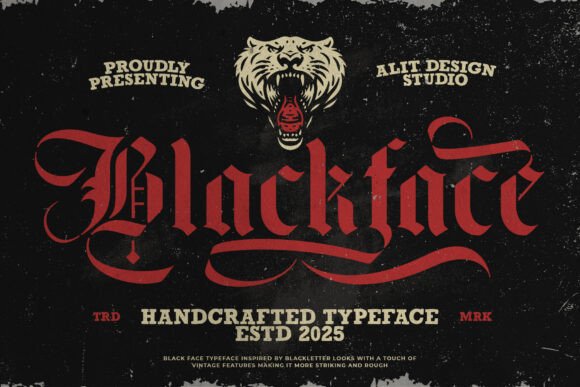
Black Face isn’t just another font—it’s a visual declaration. This meticulously crafted blackletter stencil typeface merges the weight of historical design with the punch of contemporary boldness. It’s for creators who refuse to blend in, who want their work to cut through the noise and make an impression. Whether you're designing a tattoo, crafting a brand identity, or creating a striking album cover, Black Face is the kind of typeface that commands attention.
The Personality Behind the Typeface
Black Face carries the unmistakable character of blackletter styles, often associated with medieval manuscripts and Gothic architecture. But it doesn’t stop there. The font has been refined to suit modern applications, adding a layer of sophistication and strength. Its thick, solid strokes give it a powerful presence, while subtle flourishes add a touch of elegance. It's a typeface that feels both timeless and current, capable of speaking to a wide range of creative contexts.
The personality of Black Face is strong—confident, unapologetic, and slightly rebellious. It’s the kind of font that makes a statement without needing to shout. That’s why it works so well in environments where impact matters. It’s not about subtlety; it’s about presence.
Where Black Face Shines
Black Face is versatile but best used where its bold nature can shine. Here are some key areas where this font excels:
- Branding: Ideal for logos, taglines, and brand assets that need to stand out. Its strong visual identity helps reinforce brand recognition.
- Posters and Flyers: Perfect for event promotions, music posters, or community announcements where the message needs to be clear and impactful.
- Tattoos: Many artists choose Black Face for its bold, graphic appeal. It’s a great choice for text-based tattoos that demand visibility and strength.
- Album Covers: Used by independent musicians and designers looking to create a unique, memorable aesthetic.
- Apparel Design: From t-shirts to bags, Black Face adds a distinctive flair to product designs.
- Social Media Graphics: When used sparingly, it can elevate a post or ad with a touch of vintage-meets-modern style.
- Editorial Design: In magazines or zines, it can serve as a headline or accent font to break up text and add visual interest.
- Packaging: For small businesses or niche products, Black Face can help differentiate packaging from competitors.
While Black Face is most effective in display roles, it can also be used in body text when paired with complementary fonts. However, its heavy weight means it should be used with care to maintain readability, especially in longer blocks of text.
Designing with Purpose
When choosing a font like Black Face, it’s important to consider how it aligns with your project’s goals. Does it need to convey strength? Authority? Artistry? These questions will guide your decision-making process.
Black Face is particularly effective in brand identity projects. Its strong visual language helps establish a brand’s voice quickly. For example, a boutique clothing line might use Black Face in its logo to communicate a sense of quality and individuality. Similarly, a local music venue could use it on posters to evoke a gritty, authentic vibe.
One of the key advantages of Black Face is its font pairing potential. While it’s bold and commanding on its own, it works well with lighter, more delicate fonts for contrast. Pairing it with a clean sans-serif or a soft script can create a balanced composition that feels intentional rather than overwhelming.
Practical Considerations
Before committing to Black Face, consider the following practical aspects:
- Project Fit: Evaluate whether the font’s style matches the tone and purpose of your project. Is it appropriate for the audience and context?
- Readability: Test the font in different sizes and formats. Ensure it remains legible in both print and digital environments.
- Font Styles: Check if the font includes multiple weights, italics, or ligatures that can enhance your design.
- Licensing: Make sure you have the correct commercial license for any public-facing or business use. Some fonts offer free personal use but require purchase for professional applications.
- Consistency: Use Black Face consistently across all brand materials to build recognition and reinforce your visual identity.
For designers working on web design, ensure that the font is web-safe or properly embedded. If using Black Face in digital formats, test it on different devices and screen sizes to confirm its performance.
Real-World Applications
Let’s look at a few real-world examples where Black Face has made an impact:
- A local brewery used Black Face in its logo and packaging to convey a strong, rugged identity that resonated with its target audience.
- An independent musician incorporated the font into album artwork, helping to create a cohesive and memorable visual theme.
- A boutique publisher used Black Face in editorial layouts to add a unique texture and feel to their magazine.
- A streetwear brand utilized the font on apparel tags and social media posts to reinforce its edgy, artistic aesthetic.
These examples highlight how Black Face can be adapted to fit a variety of creative needs. It’s not just a font—it’s a tool for expression and identity.
Conclusion
Black Face is more than a typeface; it’s a statement. Its bold, confident style makes it ideal for projects where impact matters. Whether you’re building a brand, designing a poster, or creating a tattoo, this font offers a powerful way to stand out. By understanding its strengths and limitations, you can use it effectively to enhance your creative work and connect with your audience in meaningful ways.